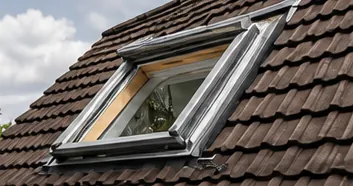
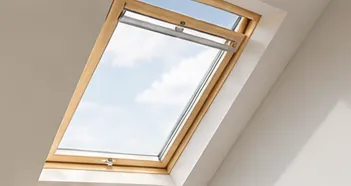
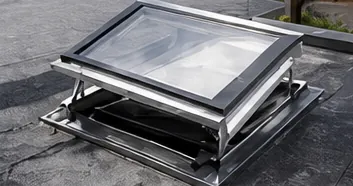
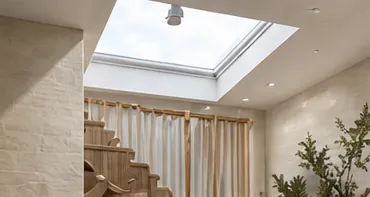
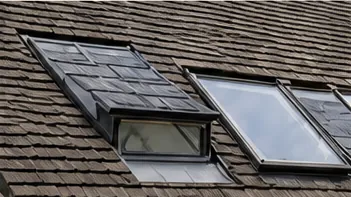
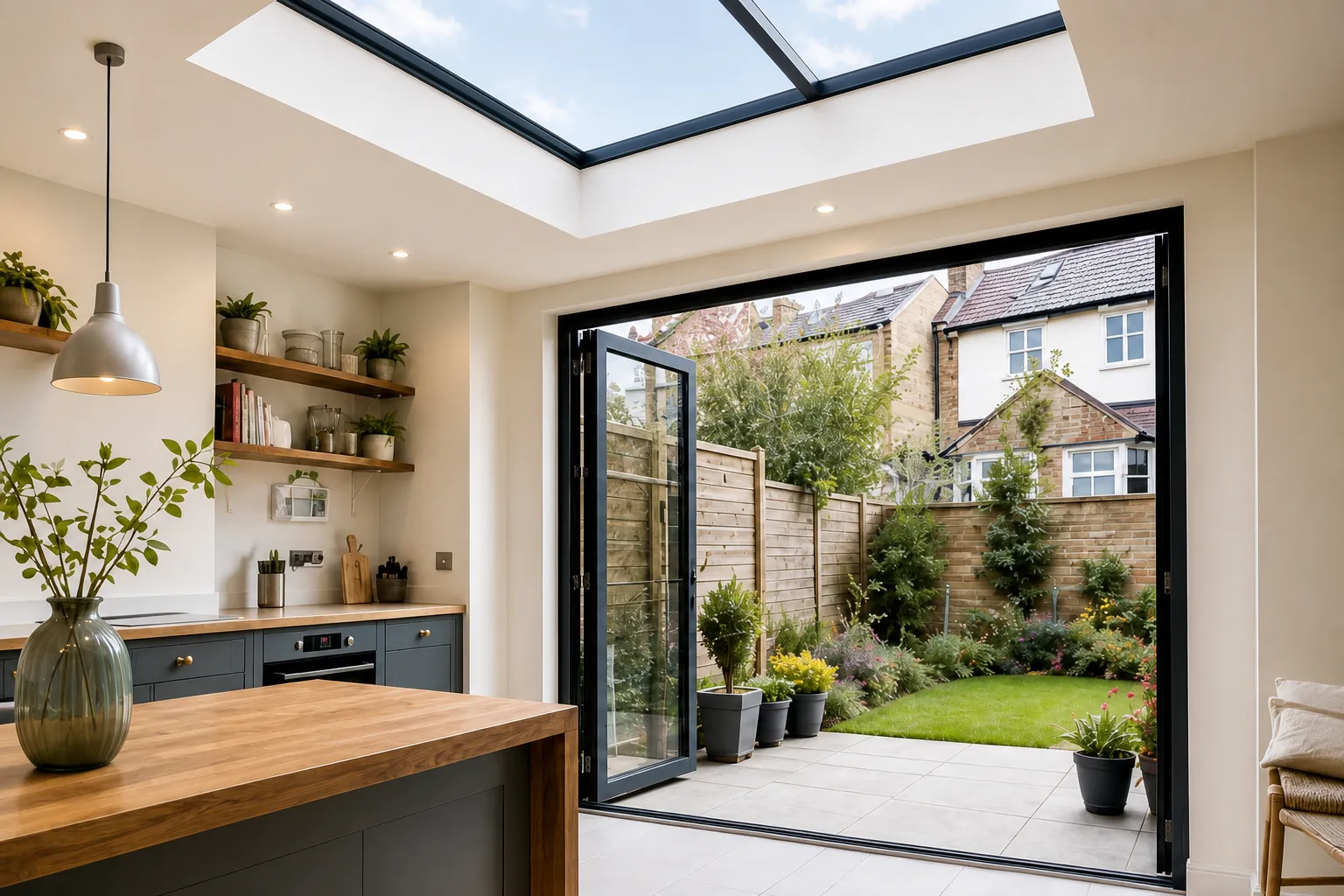
A roof window in a loft conversion deals with both problems. Put one in the front slope and one in the back and the room has two openings facing opposite ways, so air crosses it. Put them where the tops of the sashes are within reach and the handles are easy to operate, and they will get used, which is half the battle.
Furniture comes into it as well. Beds, wardrobes and desks all want the low side of a sloping ceiling, and a window that swings out over a bed head is a window nobody wants to open. We ask where things will stand before we mark the roof, because the best spot on a plan can be the worst spot in the room. A centre-pivot sash that turns on its middle axis often suits a bed beneath it, since the lower edge stays clear of the pillow.
Roof pitch is the other early question. Many of the estate houses here have gentle roof angles, and some roof windows only work above a certain pitch. The minimum pitch guide explains the limits, and we measure the slope before suggesting a model.
Which way the window faces
Orientation shapes the choice. A south-facing slope gets the most sun and heats the room fastest, so a unit there gains from opening and from glass that reduces heat gain. A north-facing slope gives gentler light all day. Our page on solar control glass explains how coated glass limits the heat coming in, and we price it as an option on the quote.
Bungalows are common across the town, and many have been extended into the roof. With a bungalow or chalet, the roof window serving an upstairs room may serve as its escape window, which puts the width of the opening and the distance of its sill from the floor under scrutiny. We check them at the survey. A loft turned bedroom in a two-storey house relies on a protected stair for escape, which leaves its roof window free to do the work of lighting and airing the room. The VELUX windows for a bungalow guide goes into the detail.
The planning authority is North Somerset Council, and ordinary houses seldom raise difficulties for a rooflight. Flats and listed buildings are the exceptions, along with any house where the council has withdrawn the usual freedoms, and the planning guide sets out the points to check before you commit.