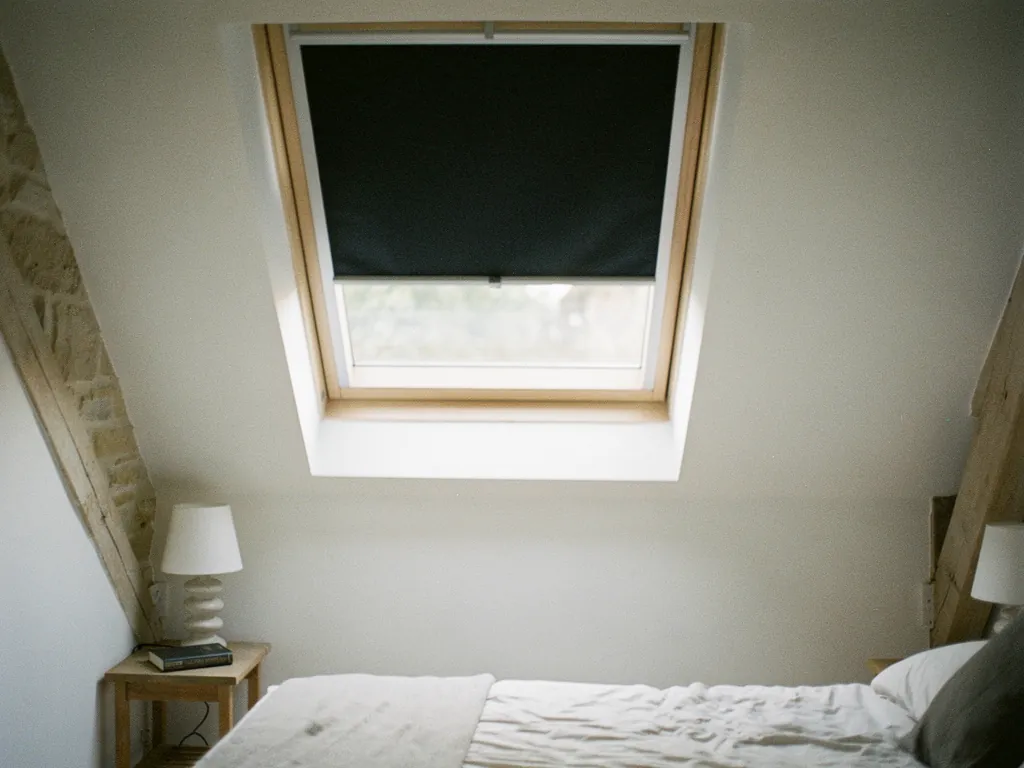
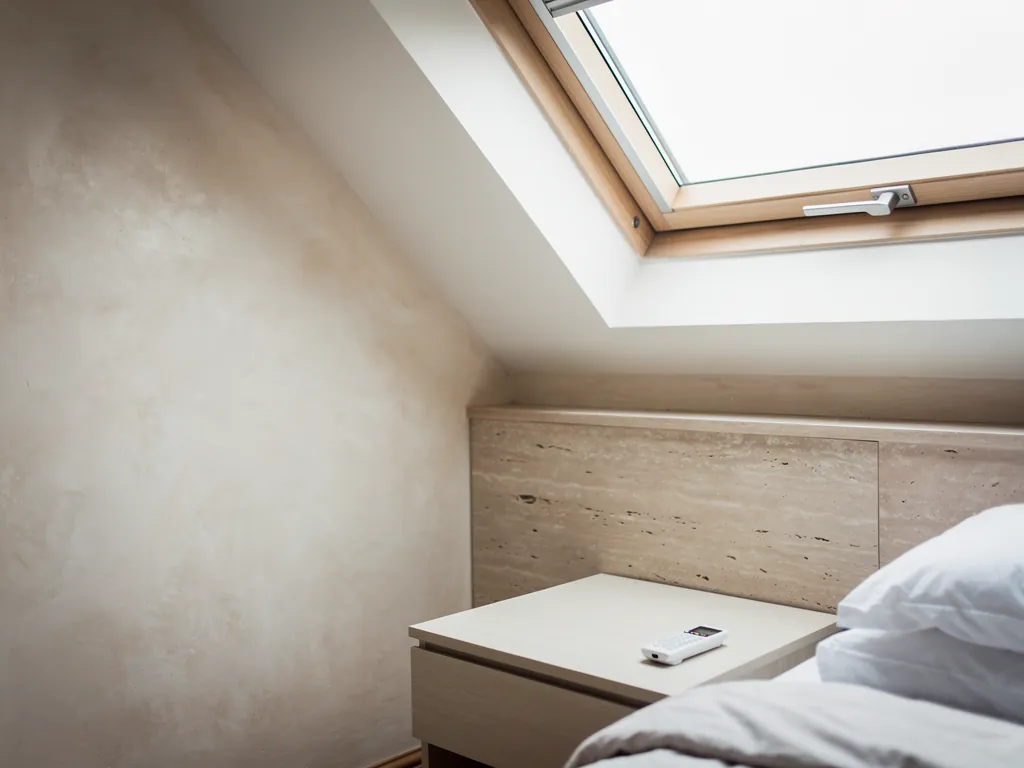
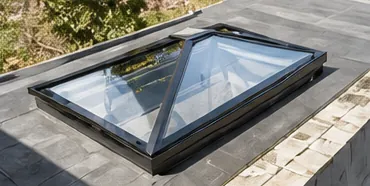
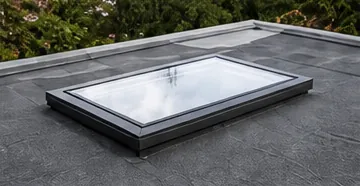
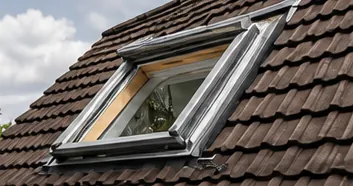
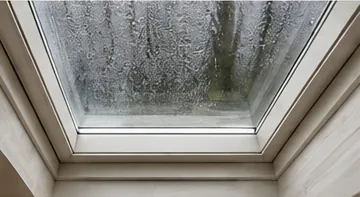
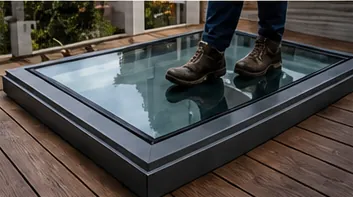
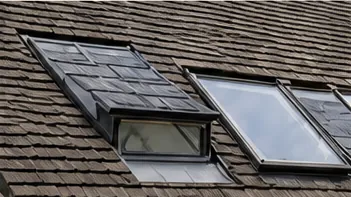
The weather up against the hills is changeable, so we also think about how a new window behaves in a downpour. A well-fitted flashing sheds water around the frame, the glass sheds it down the slope, while the closed sash presses on a weather seal. A good installation should simply disappear into the roof and leave you with a room that is easier to live in.
Planning, council and conservation
Winscombe sits within North Somerset Council, which looks after planning and conservation matters here. Certain buildings in the parish are listed, so confirm with North Somerset Council whether yours is one and whether any conservation controls apply. Our guide to rooflight planning permission lays out what usually needs an application. Listed buildings require listed building consent, whichever slope the glass is on.
Where a villa has a box room above the porch, or a shower room under the eaves, a small opening window often does more than a big fixed one. Steam drifts out through the roof, mirrors stay clearer, and the door can stay shut. We look at each room by its use, not by the size of the hole.
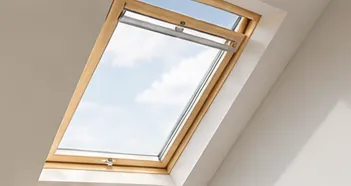
Ask, too, what you want to see from the window. In a Winscombe bungalow a roof window on the right slope frames the hills, and a sloping ceiling lets you sit upstairs and watch the weather change over the Mendips.
Choosing between fixed and opening
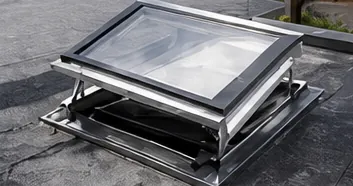
Not every rooflight needs to move. A stairwell or a stone scullery with no ventilation problem can happily take a fixed unit, which is slimmer and costs less. We recommend opening where heat, steam or stale air collect, and fixed where you simply want daylight. The detail sits on the quote, line by line, so you can see what each choice adds.
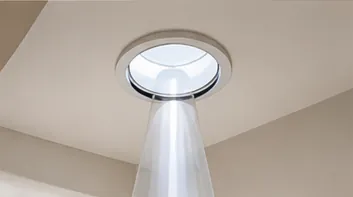
Across the older houses we also find extensions from the last century: a pantry, a utility room or a small bathroom on the north side. A sun tunnel can give those rooms daylight through a thick roof without a wide opening, and one with a vent kit shifts steam out of the bathroom.
A full swap of rooflight or roof window, frame together with glass, is building work, so Building Control must be notified, and we send that notice. Swapping only the sealed glass unit in a good frame generally does not need it. The building regulations guide sets out the difference, and our costs page shows which parts of a job move the price.
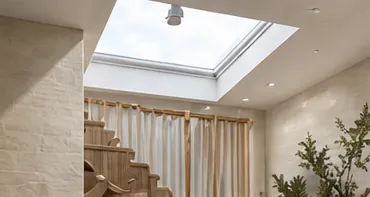
One last point on old houses: thick stone and deep reveals mean that light inside is often poor even on a bright day. A roof window or rooflight helps, but so does the paint colour and the position of the glass relative to the walls. We suggest putting the unit where light will bounce off a pale wall or sloped ceiling, and we show you that in the survey with a tape and a pencil.