Guide · VELUX Windows · 8 min read
VELUX INTEGRA Electric and Solar Windows
An electric velux skylight opens from a switch or remote instead of a handle, and the VELUX INTEGRA range adds a rain sensor that closes it when the weather turns. This guide covers what the range does, the choice between electric and solar, the rooms where it pays its way and the planning needed before it goes in.
What INTEGRA adds to a roof window
VELUX INTEGRA is the maker's electric and solar range of roof windows. The glass, the frame and the flashing are the same sort of thing as on a manual unit. What changes is the sash: a motor opens and closes it, and a control tells the motor what to do. You press a button, the window opens, and you press again to shut it.
What people notice first is the rain sensor. A little detector on the outside picks up wet weather and sends the close command by itself, so a window that once needed someone at home can stay ajar while you pot plants in the garden or sleep a floor below.
- Motor the drive that tilts the sash open and pulls it shut
- Rain sensor the outdoor detector that triggers closing when rain starts
- Control pad the wall switch or hand remote that sends the open and close commands
- Vent position a slightly open setting that moves air without a full opening
It is worth saying what INTEGRA is not. It is not a different kind of glass or a way of heating a room. Energy performance still comes from the glazing, and a replacement window has to meet Part L like any other roof window. The motor is a convenience that makes opening easier and more regular, and that is exactly why it can improve a room that is short of air.
Electric or solar: how the two differ
INTEGRA comes in two forms, and the choice usually turns on wiring, not on how the window behaves. Both open and close from a control, and both can carry a rain sensor. The difference is where the power comes from.
| Question | Electric | Solar |
|---|---|---|
| Power source | Mains supply to the window | Battery charged by a small panel |
| Cabling | Needed in the roof space and wall | None to the window |
| Best for | New builds, loft conversions, rewires | Finished rooms with no spare cable route |
| Think about | Planning the supply early | How much daylight reaches the panel |
For a loft that is still bare timber, electric is the straightforward answer, because a cable is easy to run before the plasterboard goes up. For a finished bedroom in a Victorian terrace, where a new cable would mean cutting into decorated walls, solar saves a lot of mess. A north-facing slope in a shaded street still gives the panel some light, but it is worth saying so at the survey so we can check the position.
Rooms where an electric window earns its keep
An electric window suits places where reaching a handle is awkward or where you want the opening to happen without a thought. A few rooms in a typical Bristol house fit that description well.
The top landing
The landing at the head of a stairwell gathers whatever heat has risen from every floor below. A window over the stairs is often too high to reach, so a manual unit would need a pole. A motorised one opens from a switch on the wall, and with the front door or a ground-floor window cracked, it draws air up and out through the house.
The loft bedroom
In a loft conversion, a window set high in the slope lets the hottest air out at night. Opening it from the bed, without climbing on furniture, is the sort of detail that makes it get used. A vent position gives a gentle trickle of air overnight with the rain sensor standing guard.
The bathroom and kitchen
A bathroom or kitchen under the roof has steam to shift. A window over the bath or hob that opens at the touch of a button clears the room faster than waiting for someone to climb up. It helps condensation clear, though the room still needs normal ventilation as well.
Fixed units stay the better choice in some places, such as a stair that already has a good window or a spot nobody wants to heat or cool. Both the motorised and the fixed choice are priced on the quote, which lets you judge room by room.
Planning the power before the plaster
The one thing that catches people out with electric windows is timing. A cable needs a route from the supply to the window, and that route is cheap to make while walls and ceilings are open, and awkward once they are decorated.
- Decide which windows will be electric before the loft is boarded.
- Agree where the control pad goes, at a height and place you will actually reach.
- Choose the supply route with whoever is wiring the room.
- Ask for the supply to be left ready, even if the window comes later.
If you are replacing an old manual window in a finished room, the choice swings towards solar for the reason above. Where the loft is accessible and a socket or spur is close, electric can still work, which we confirm when we visit. We do not guess: we look at the roof space, the access and the finish, then lay out the options in the written quote.
Fitting itself follows the usual pattern. The old unit comes out, the opening is checked, the new frame and flashing go in, and the roof is made weathertight at the end of the day. Dust sheets cover your floors throughout and the same crew sees the job through. Swapping a whole window, frame and glass together, counts as notifiable building work, so the Building Control paperwork comes from us. The rest of the range, and the other guides, are gathered on the VELUX window installation hub.
Air, summer heat and the rain sensor
Roofs warm up in sunshine, and a south or west slope can turn a loft stuffy before the afternoon is out. An opening window at the highest point gives that warm air a way out. A motorised one makes it easy to open early, before the heat builds, and the rain sensor lets you leave it set.
An electric window will cool the room by itself.
It will not. It opens on command and closes in rain, and that is all. The cooling comes from air moving through the room, which is helped by a second opening lower down.
For hot slopes, pair the window with a blind or an awning. A blind that works from the same control pad can cut the sun before it reaches the glass, and we cover the options in our guide to VELUX blinds and accessories. Opening the window then clears what builds up behind it.
A window that opens can be counted as purge ventilation for the room under Part F. That matters when a loft becomes a bedroom, and the motor makes it more likely the window gets opened. We keep to that fact and make no claim beyond it: a window helps air a room, and the rest depends on the house.
Day to day, the habit that works is simple. Open the window in the morning while the roof is still cool, let the sensor look after the weather, and close it from the pad in the evening if you want the room sealed up. Nobody needs to remember to run upstairs when the first drops fall.
Choosing a size and checking the frame
INTEGRA windows come in the usual range of sizes, and the code on the plate works as it does on any other VELUX. Letters carry the width, digits carry the height. When an old window is coming out, reading its code comes first, and our guide to VELUX size codes shows how.
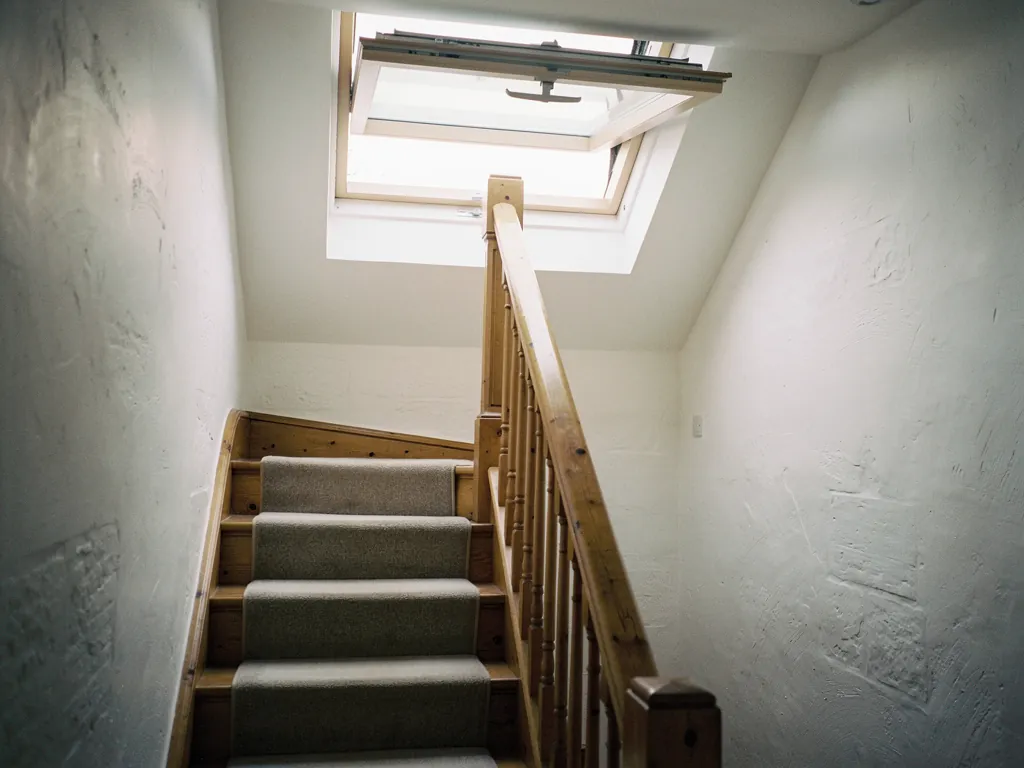
Size choice for an electric unit follows the same rules as for a manual one: the rafters set the width, and the room sets the height. A tall, narrow window in a loft slope is common, while a landing may need a broader frame to lift the whole stair.
One point is specific to electric and solar. The motor and the rain sensor add parts, and the parts must sit with the flashing in a way that keeps the roof sealed. That is a job for the fitting team, not a detail to leave to chance. It also means a like-for-like swap from manual to electric is rarely a case of changing the sash alone; we normally show it as a replacement of the whole window on the quote, and say where an alternative exists.
How INTEGRA fits with the rest of your choices
An electric window is rarely a stand-alone decision. It sits alongside the blind you choose, the glass you want, the size of the opening and the cost you are prepared to meet. A short walk through those is the quickest way to a sensible quote.
On cost, an electric or solar window costs more than a manual one to buy and to fit. Typical UK market ranges depend on the size, the roof, the access and the controls, and we never put figures in a guide. Our page on VELUX window fitting cost explains the factors, and the costs page gives broad ranges.
On life span, a motorised window has moving parts that a manual one lacks. How the whole unit ages is covered in how long VELUX windows last. On bungalows, a motorised window can sit in a room that needs an escape route, and the VELUX window in a bungalow page sets out what that involves.
If you want an even wider choice of opening styles, such as a rooflight for a flat roof, our electric opening rooflights page covers those, and fresh air rooflights explains the idea behind all of them. Every quote carries the opening option for each unit, and our 10-year workmanship guarantee covers the fitting.
To keep the whole set in view, the VELUX window installation hub links every guide in this group. A sensible reading order for a first project is the size code, then this page on motorised windows, then the blinds, then the cost. By the end you will know the window you want, how it opens, what shades it and what the job involves, and the survey becomes a conversation about details, not basics.
It also helps to think about the people who will use the room over the years. A control that suits a confident adult may defeat a teenager or an older relative, and a window that can be worked from a simple wall switch is kinder to everyone. Wall switches also keep working when a remote goes missing down the back of a sofa, which happens more than anyone admits. Ask for the backup control to be shown on the quote.
Before you commit to a motorised window
Can an electric window still be opened by hand if the power fails?
Models differ, so we check the one we propose. Ask us at the survey and we will tell you how that specific window behaves, and what the manual option would be.
Will a rain sensor close the window while I am out?
Yes, the sensor notices wet weather and the motor then shuts the sash. That is its whole purpose. A window left in a vent position overnight is shut again if rain arrives.
Can a few windows be run from one control?
Several windows can usually be run together or separately from a shared control, depending on the products chosen. We set out the layout on the quote, so you see which windows share a pad.

Tell us about the room
A few details is all we need. We'll come out, advise and give you a written quote.
No pressure, no obligation.