Skylights & rooflights in Sharpness Where the canal meets the estuary and the wind comes up the Severn
Sharpness grew around its docks on the Severn, and the homes here are a working port's mix of Victorian terraces, later houses and bungalows. Our skylights and rooflights open, and each is specified for salt air and a steady breeze off the water.
At 22.7 road miles north of Bristol, Sharpness is a straight run up the vale for a survey visit.
Terraces near the dock gates
Brick and rendered rows built for people who worked the ships and the canal, many with a bedroom in the roof.
The canal and the long skyline
Open fields on one side and open water on the other, which gives the roofs full sun and plenty of wind in equal measure.
Bungalows toward Berkeley
Low houses on the edge of the settlement where the hall is dark and the roof space unused.
Sharpness rooms that suit a window in the roof
The dockside terrace bedroom
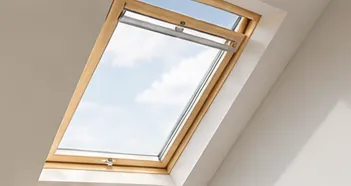
A room under a modest slope that heats up through the afternoon, helped by a roof window you can tilt open from the bed.
The bungalow bathroom
A room with no outside wall, where a tube of daylight or a small opening roof window lets steam out from above.
The extension facing the estuary
A kitchen under a flat roof with a view, tempered by an opening rooflight that shuts itself when spray or rain arrives.
Units built for a dockside breeze
Roof windows for terrace lofts, sun tunnels for windowless halls and bathrooms, and opening flat rooflights and lanterns, motorised or solar, for extensions that look out to the water.
Sharpness is a place defined by water: the tidal Severn on one side and the canal on the other. That shapes its roofs, which face real weather, and it shapes what a rooflight has to do. It must seal firmly, open sensibly and stand up to a salty breeze.
Lockgate.
01
Terraces built for the docks
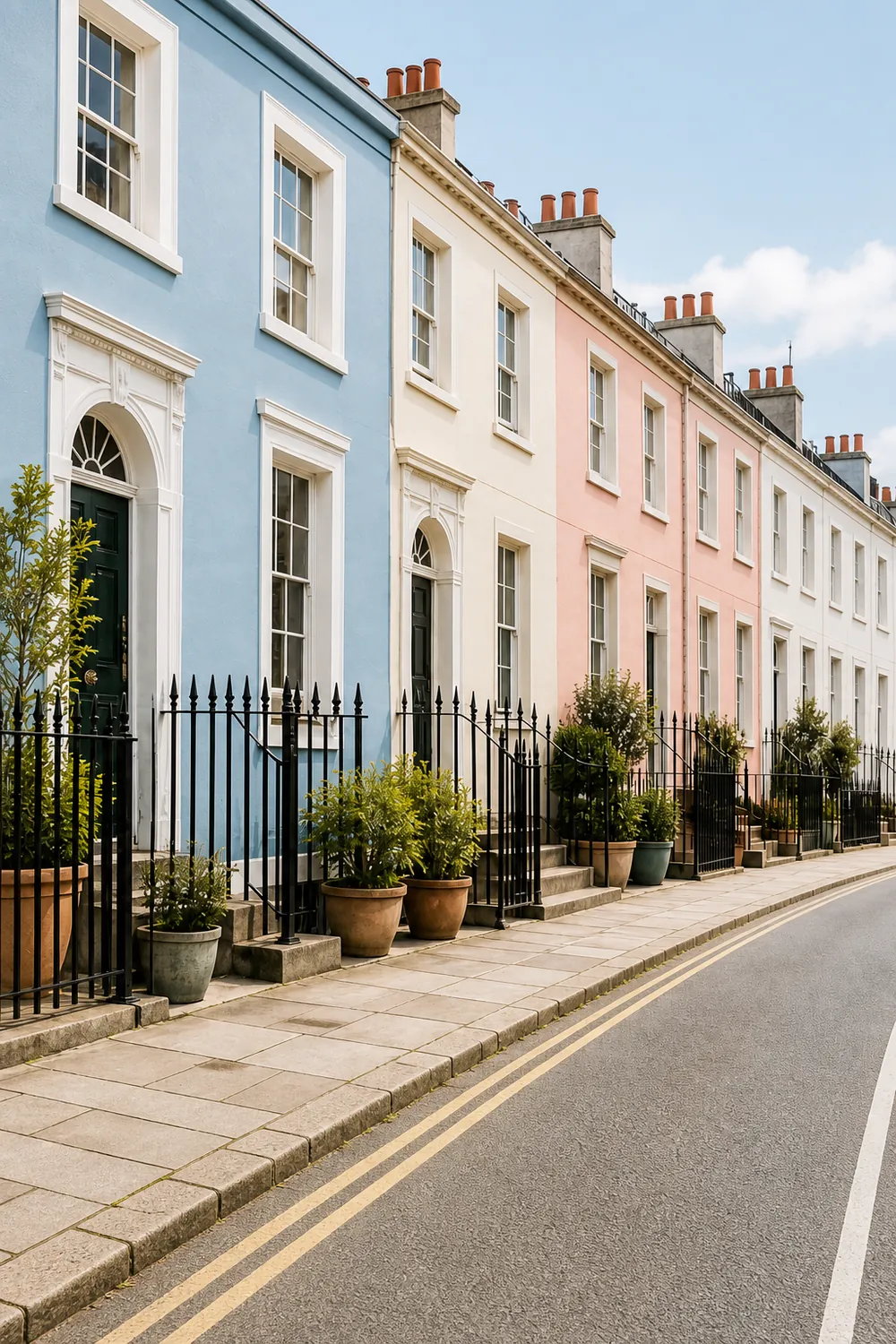
Sharpness exists because of the canal. A ship canal was cut here to bring vessels off the Severn and up to Gloucester, and the docks, the lock gates and the houses nearby followed from that. Walk around the older part of the village and you find terraces of the kind built for people who worked on the water: plain, sturdy and set close together, under slopes of tile or slate, with space for a bedroom up in the roof.
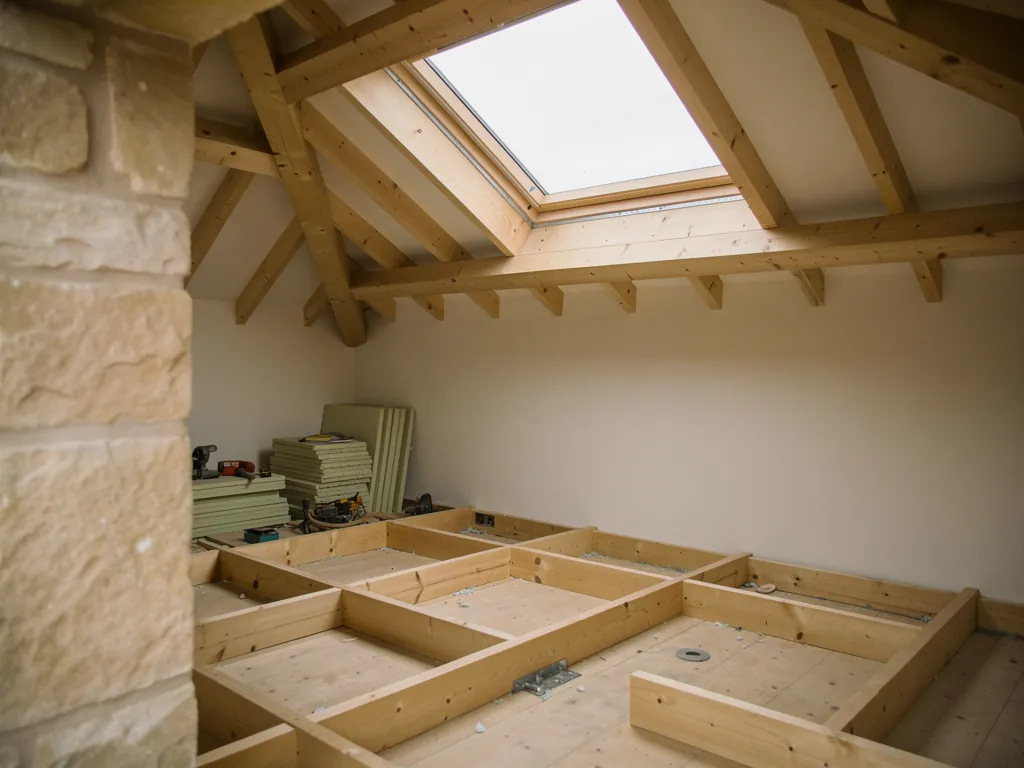
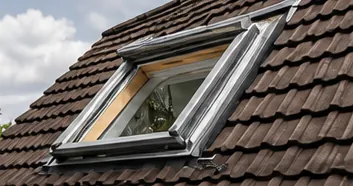
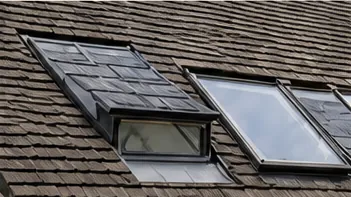
The rooms in the roof tend to be compact. The ceiling follows the roof, the one window is small, and the air is still and warm on a sunny afternoon. A roof window changes the picture. Fitted into the slope on the side away from the road, it brings daylight down into the room, and when the sash tilts open it lets the heat rise out through the top while cooler air comes in from below. Add a vent bar, and a slim stream of air passes through overnight even with the sash closed against the weather.
Salt, wind and the choice of finish
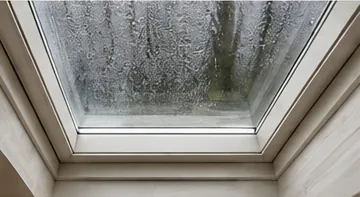
Anywhere near an estuary, the air carries salt, and exposed fittings take a beating. A coastal gale will find any weak point in a poorly made frame, and so will years of damp, salty mornings. Check the material of the frame and how it is finished. Pine frames with a protective coating are a familiar choice for roof windows, while aluminium suits flat rooflights and larger openings. The point is to match the finish to the exposure, and to avoid cheap fixings that rust. We pick the unit at the survey with the weather in mind, and note the reasoning down in the written quote, which shows why one finish was chosen over another. It is also worth asking about the maintenance each material needs, since a coated frame may want a wipe now and then and an aluminium one very little.
In Sharpness
Suitable unit
What opens it
Terrace loft room
Roof window
Handle, vent bar
Landing under the slope
Small roof window
Pole or handle
Back kitchen extension
Opening flat unit
Motor or sun-powered
Street slope in a protected area
Conservation rooflight
As the council allows
Whether a street near the docks lies in a conservation area, or a building is listed, is a question for Stroud District Council. If your terrace is in a protected area, the rules may be tighter for the slope that faces the street. Our guide to planning for a rooflight explains where permission is and is not needed.
In a terrace, the roofs meet at party walls, and the stretch of slope between them is narrow. A house of this kind may have only enough clear rafter space for a single modest unit, and that is no loss if it is placed well. A unit therefore needs to fit between the rafters on one side of the dividing wall, and not stray over it. We measure that from inside the loft. Where the room is small, one carefully placed roof window serves better than two crowded together.
What we look at on a Sharpness terrace
The condition of the existing tiles or slates around the opening
The distance from the party wall to the nearest rafter
The side of the roof that gets the afternoon sun
Whether the room needs to double as an escape route
We check the rafters from inside the loft. Should one need cutting, the opening is trimmed with new timbers, since forming a new opening in a roof is regulated building work. The same team does the framing, the fitting and the weatherproofing. Whatever the weather, the slope is made watertight before the crew leaves, and the rooms under it are covered while the work goes on.
Tilting roof window at the stair-headUpstairs heat on its way outSteep dockside staircaseFresh air climbing from the hall
Over a Sharpness dock-side stair, an opening roof window releases the upstairs heat, and cooler air from below climbs to follow it.
Saltings.
02
Bungalows, newer homes and estuary extensions
Beyond the terraces, Sharpness and the land around it in the Vale of Berkeley have a good number of bungalows and 20th-century houses. They sit on flat, open ground with very little shelter, and the roofs are low and simple. That makes the work straightforward, though the exposure still shapes the choice of unit, because a sash that opens must also shut firmly when the wind rises. They are easy to work on, and they have a particular set of rooms that a rooflight can help: the hall, the bathroom and the kitchen at the back.
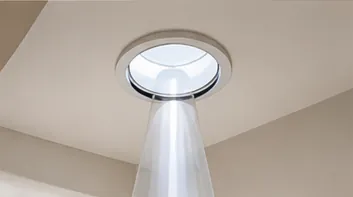
A sun tunnel suits the hall or an inner bathroom. A small dome sits on the roof and a reflective tube runs down through the loft to a frosted panel flush with the ceiling below, and the roof structure stays as it is, with no need to open up the whole slope, only a small round hole through the covering and a tube down to the room. Where the bathroom needs to clear steam, a tunnel with a vent kit gives some movement of air, and a small opening roof window is better still if the bathroom sits directly under a slope.
Bungalows with an upstairs bedroom
Where a bungalow has had a bedroom built up into its roof space, a particular rule comes into play. The roof window in such a room can be the escape window, so at the survey we measure the sash and how far its sill stands above the floor. For houses with two full storeys the rules are different, and we explain which applies to yours. The VELUX windows page sets out how the size codes work, so you can see which dimensions fit between your rafters.
A rooflight near the sea will always be corroded within a few years.
Material and finish count for far more than distance from the water. A coated or aluminium frame, stainless fixings and good flashing are all made for exposed places, and the right choice at the start avoids most problems later.
The flat-roofed extension facing the water
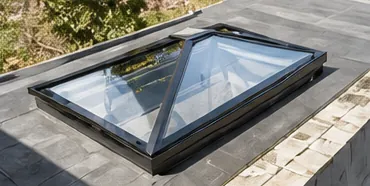
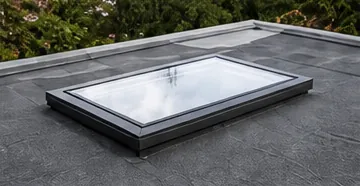
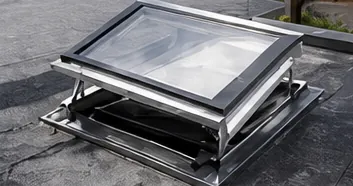
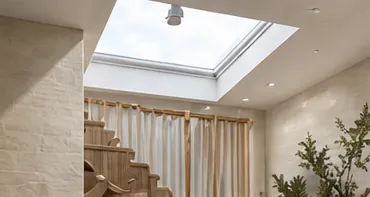
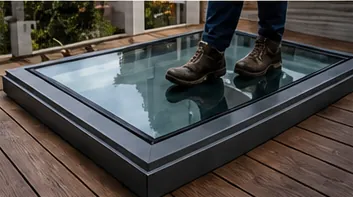
Newer Sharpness homes often have an extension behind the house, topped with a flat roof and looking across fields towards the river. A fixed rooflight in that roof brings in the sun and also its heat. An opening flat rooflight lets the heated air out right at the top, which spares you from leaving the garden doors ajar for cooking smells and warmth, and a motorised opening unit with its own wet sensor shuts when a shower rolls in off the estuary. If there is no convenient cable route, a solar unit does without one.
Spray and rain can come in sideways here, so a rain sensor is a sensible choice in any case. When you are out for the day, the window should not be left to the weather. The sensor feels the first drops, the sash closes, and you come home to a dry room. The fresh air rooflights page explains the opening types, and for what moves the price, our costs page is the place to read.
Rain sensor a small pad that signals the motor to shut the sash once rain arrives
Vent kit an add-on that lets a sun tunnel pass a little air
Diffuser the frosted disc in the ceiling that spreads the daylight
Upstand the low raised edge a flat rooflight sits on
Berkeley is close, and its centre is older and more closely built. Sharpness itself grew later, around the docks. Our Berkeley page looks at the stone and brick houses there, and Cam has its own mix of mill terraces and newer estates. Between them and Sharpness, the answer for a roof opening depends on the shape of the house rather than the postcode, and a survey settles which unit, which position and which way of opening suit yours. Every written quote then lists the options so you can compare them.
Dock terrace and bungalow questions
Will salt air damage a roof window in Sharpness?
A coated or aluminium frame with stainless fixings and proper flashing is built for exposed places. We choose the unit and finish at the survey with the estuary in mind, and note the choice on the written quote.
My Sharpness bungalow hall has no window. What can I do?
A sun tunnel is the simple answer. It carries daylight down a mirrored tube from a little dome in the roof, and a vent kit can be added where some airflow would help.
Which council decides about a rooflight in Sharpness?
Stroud District Council handles planning here. Rooflights on houses usually need no permission, though a listed home or a street inside a conservation area is a separate matter, so read our planning page and ask the council if unsure.
Can a flat rooflight close itself if rain blows in from the Severn?
Yes. An electric or solar opening rooflight can carry a rain sensor that brings the sash down as soon as it gets wet, which suits a house open to weather off the water.
Tell us about the room
A few details is all we need. We'll come out, advise and give you a written quote.