Guide · Energy Efficient Rooflights · 8 min read
Double or Triple Glazed Rooflights: Choosing the Glazing
A third pane sounds like an obvious upgrade, yet it adds weight, thickness and cost as well as warmth. Whether it earns its place depends on the room, the slope and how the unit needs to open. Here is how to weigh it, with the trade-offs laid out plainly.
What the third pane does
A sealed glazing unit is a sandwich. Panes of glass sit apart from each other, and the gaps between them are filled with air or a heavier gas. That trapped layer slows the passage of heat. Two panes make one layer. Three panes make two.
The result, which sits within our energy efficient rooflights range, is a surface on the room side that stays closer to room temperature. You feel it as less chill when you sit near the glass on a winter evening, and you see it as less mist forming on the inner pane. The overall heat loss figure, which our guide to rooflight U values explains, comes down as well.
Nothing here comes free, though. A third pane means more glass to carry, a thicker sealed unit and a frame that has to cope with both. Those are the costs to set against the gain.
What you give up, and how good double has become
A fair look at triple glazing has to include the drawbacks, because they decide the choice in many roofs.
- Weight. A triple unit is noticeably heavier than a double. A manual sash feels firmer to lift, and an electric chain or motor has more to move.
- Thickness. The extra pane deepens the glazing, so the sightline of the frame gets chunkier. On a slim conservation rooflight that changes the look.
- Cost. More glass and a stronger frame add to the price. Typical UK ranges are on our costs page, and the survey quote shows both versions side by side.
- Light. Each pane absorbs and reflects a little daylight. A triple unit passes slightly less light than a double of the same size, which rarely matters but can in a dim stairwell.
- Solar gain. Cutting heat loss can also cut the free warmth from winter sun, which matters on a south slope you rely on for heat.
None of these rules triple glazing out. They explain why it is a choice and not a default.
Comparing triple with an old double unit is unfair. A modern double rooflight is a different product from the one fitted a generation ago. It will normally carry a low-emissivity coating, a gas fill and a spacer that stops the edge from becoming a cold bridge.
Double glazing is the poor option and triple is the proper one.
A well-specified double unit, with a coating, gas fill and warm edge spacer, can meet the Part L limit for its category. Triple glazing goes further, but it is a step up and not a rescue.
Keep that in mind before you look at a quote. A plain double in a cheap frame and a coated, gas-filled double in a good frame are far apart, and the second may land closer to a triple than you would guess. Ask for the specification and the whole-unit figure for each option, because the pane count alone does not tell you the answer.
Our page on the warm edge spacer shows how much of the gap a small component can close.
The legal floor and what lies above it
The regulations ask for less than many people expect. Roof windows in a lived-in English house are held to the window standard, and flat rooflights to a gentler one, with the exact numbers in the table below. Neither standard demands a third pane.
| Unit | Part L limit (W/m²K) | Double can meet it? |
|---|---|---|
| Roof window | 1.4 or Band B | With a good specification |
| Flat rooflight | 2.2 | Yes, usually with room to spare |
| Lantern | 2.2 | Yes, glass and frame together |
So triple glazing is an optional extra, chosen for comfort, for a colder site or for a longer-term plan to reduce running costs. Where it is fitted, the unit still needs to be notified as a whole replacement if the frame goes too. That is routine, and we handle the Building Control notification. The wider rules sit in our Building Regulations guide.
Where a third pane makes the most sense
Some rooms feel the benefit clearly, and some hardly notice. These are the cases where we would put it on the quote as a serious option.
A bedroom in a loft slope. You lie directly under the glass. A cold pane radiates chill, and mist on the inner surface is likeliest here. A triple unit keeps the pane warmer, and a laminated inner pane adds reassurance over a bed, though that is a recommendation, never a legal requirement.
A north-facing or exposed slope. Where the sun never helps, heat loss is the whole story. Think of a terraced roof on a Bath hillside that takes the wind, or a rear slope shaded by a taller neighbour.
A large glazed area. The bigger the unit, the more heat it passes in total. A long rooflight over an open-plan kitchen is a bigger target than a small roof window on a landing.
A room you want to keep very still. A study or a studio that needs an even temperature gains from glass that stays closer to room warmth.

Where double is the sensible call
There are equally clear cases for keeping to double.
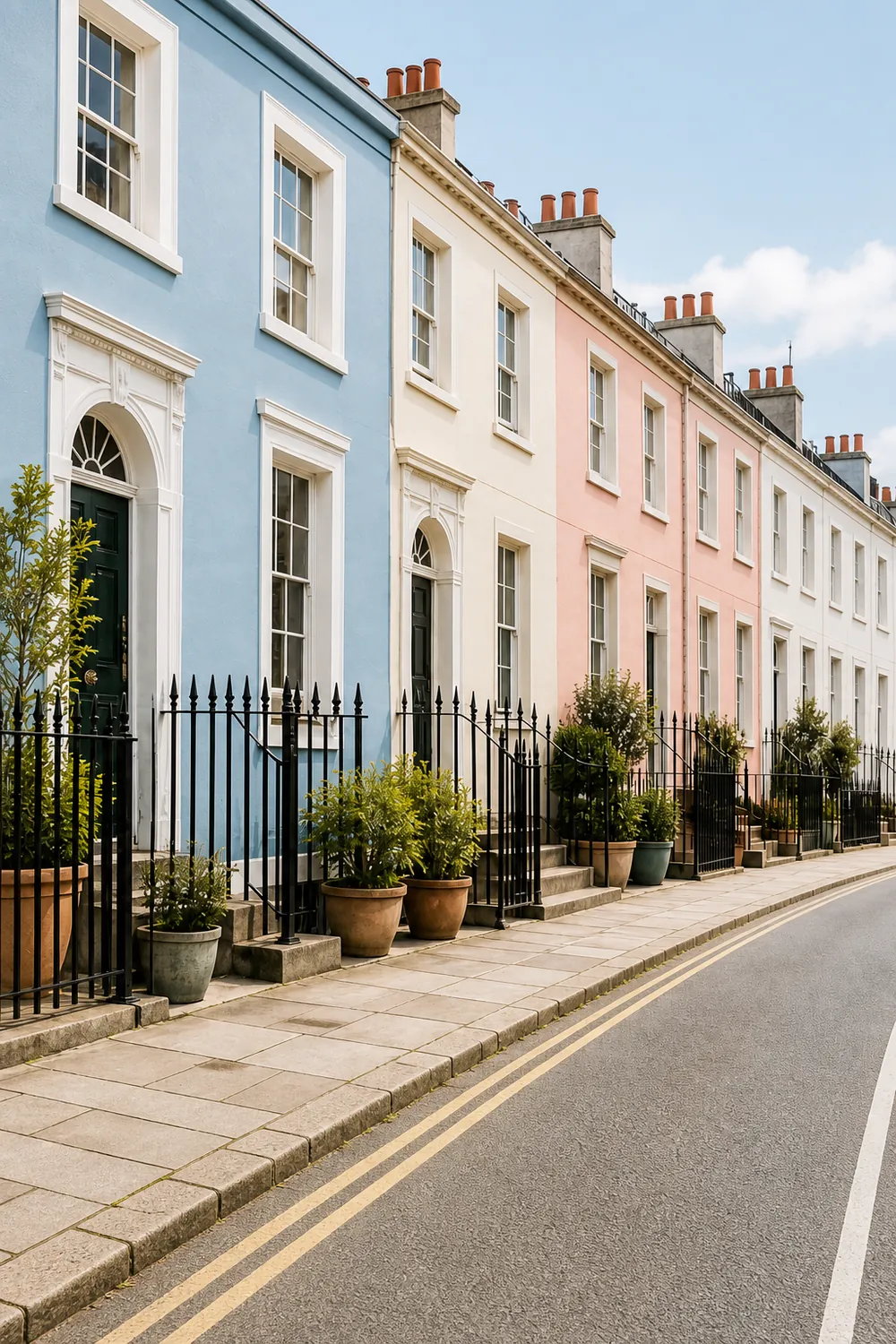
A small landing unit that mostly lets daylight down the stairs gains little from the extra pane. A south-facing slope that you want to warm a room in winter may be better with a double that lets the sun in. A conservation rooflight in a Georgian roof, where a slim frame is what the council and the owner want, may simply have no room for the depth. And a unit that must open easily by hand, high on a slope, may be better lighter than heavier.
If you are weighing a cold roof against a warm one, our short answer on whether skylights make a house colder puts the effect of glass in proportion.
How triple glazing affects opening
This is the part that brochures skip, and it matters to anyone who wants fresh air through the roof. An opening sash carries its glass on hinges, arms or a motor. More glass means more load on every one of them.
Manual roof windows with triple glazing are made, and they work, but the handle effort is firmer. For a loft room you open every morning, that is worth feeling in a showroom before committing. Electric and solar units have motors rated for the sash they are sold with, so the pairing is already worked out, and the rain sensor behaves the same either way.
On a flat roof the picture changes. A flat rooflight that opens on a hinge or a ram needs a frame stiff enough for the glass. A fixed triple unit asks less of its frame, which is why a large fixed lantern pane can be triple while the single opener beside it stays double. That mix, one opening unit and fixed units around it, is a sensible pattern, and the fresh air rooflights page shows how an opener fits into a room.
What fitting a heavier unit involves, and how it looks
Weight changes the day on site, so expect the following. A triple unit is awkward to handle on a ladder or through a scaffold, and it takes two people to lift into place. On a pitched roof it is lowered into the opening from outside, once the old unit and flashing are out and the surrounding timbers have been checked.
The opening itself needs to be sound. If the existing frame sits in a trimmed opening with good timbers around it, the new unit goes in the same place. If we find that the trimming is thin, we say so at the survey and show the work on the quote, because a heavier unit should never sit on a weak surround.
The roof is made weathertight at the end of every day, and floors and furniture inside are covered while the old unit comes out. One team does the whole job, so the person who surveyed the opening is the person who understands what the unit weighs. For the timing of a typical fit, our note on the hours a fit takes has the detail.
The point is simple. The glass is only half the specification. The frame, the surround and the way it is lifted into the roof make up the rest, and a good quote covers all of it.
Some owners care a great deal about how a unit looks from the street and from inside, and the glazing depth affects both.
From outside, a roof window sits close to the slates, and a deeper unit stands a touch prouder. The planning limit on how far a rooflight may project beyond the roof slope is 150mm for permitted development, so depth is worth checking on any house that relies on those rights, and the planning answer lists the limits. Other rules govern flats and listed houses, and the council can say how they apply to yours.
From inside, a triple unit has a slightly deeper reveal. Some people like it because the light seems to sit a little further into the roof. Others want a flush finish. A sample or a look at an installed unit settles it better than a description does.
Choosing between the two
Run through a short sequence and the answer usually appears.
- Which room is it, and does anyone sleep or sit still directly beneath?
- Which way does the slope face, and is it sheltered or exposed?
- How big is the glazed area?
- Should the unit open, and by hand, switch or sensor?
- Does the frame need to be slim for a conservation area?
If the answers point to a cold, large or bedroom unit, ask for triple. If they point to a small, sunny or slim unit, double with a good specification is probably enough. Where you cannot tell, ask for both on the written quote and compare. The free survey costs nothing and carries no obligation, and we look at the slope, the room below and how the unit would be carried in.
Whether the extra spend repays itself is a separate question that the worth-it page works through. Both choices sit within our wider energy efficient rooflights service, and the solar control glass page covers the summer side that triple glazing does not address.
Before you tick the third pane
Can any rooflight be upgraded to triple glazing?
Not always. The frame has to be deep and strong enough for the thicker, heavier unit. Often the frame is replaced along with the glass, which is treated as a whole replacement. We check what your existing opening and frame will take at the survey.
Is triple glazing noisier or quieter in rain?
A thicker build-up generally dulls the drumming of heavy rain a little, though the type of glass and the roof structure matter as much. If you sleep under the unit, tell us and we can talk through the glass options for a quieter bedroom.
Does the third pane make a skylight look different from the room?
Slightly. The frame and glass edge are a little deeper, and the glass can look a touch darker at an angle. On most roofs it is hard to spot, but on a slim conservation unit the look is worth checking before you decide.
Tell us about the room
A few details is all we need. We'll come out, advise and give you a written quote.
No pressure, no obligation.