Old rooms in the roof, new air
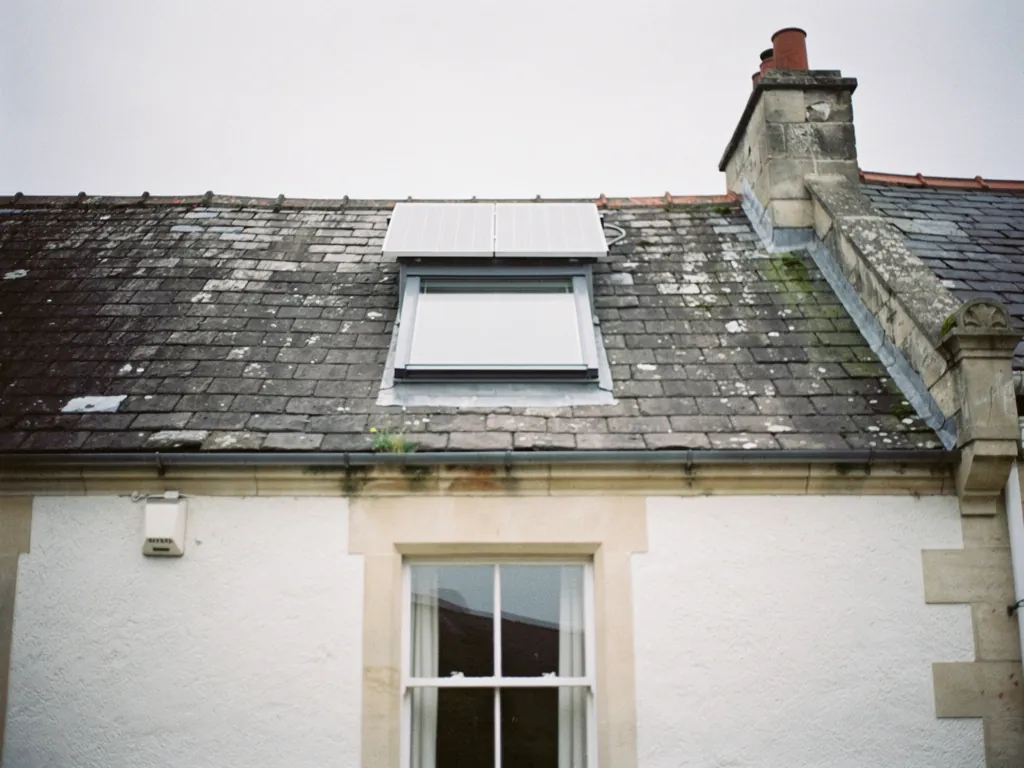
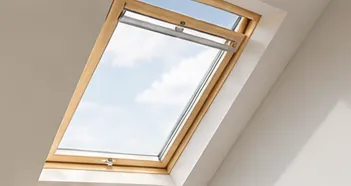
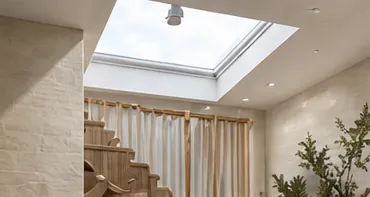
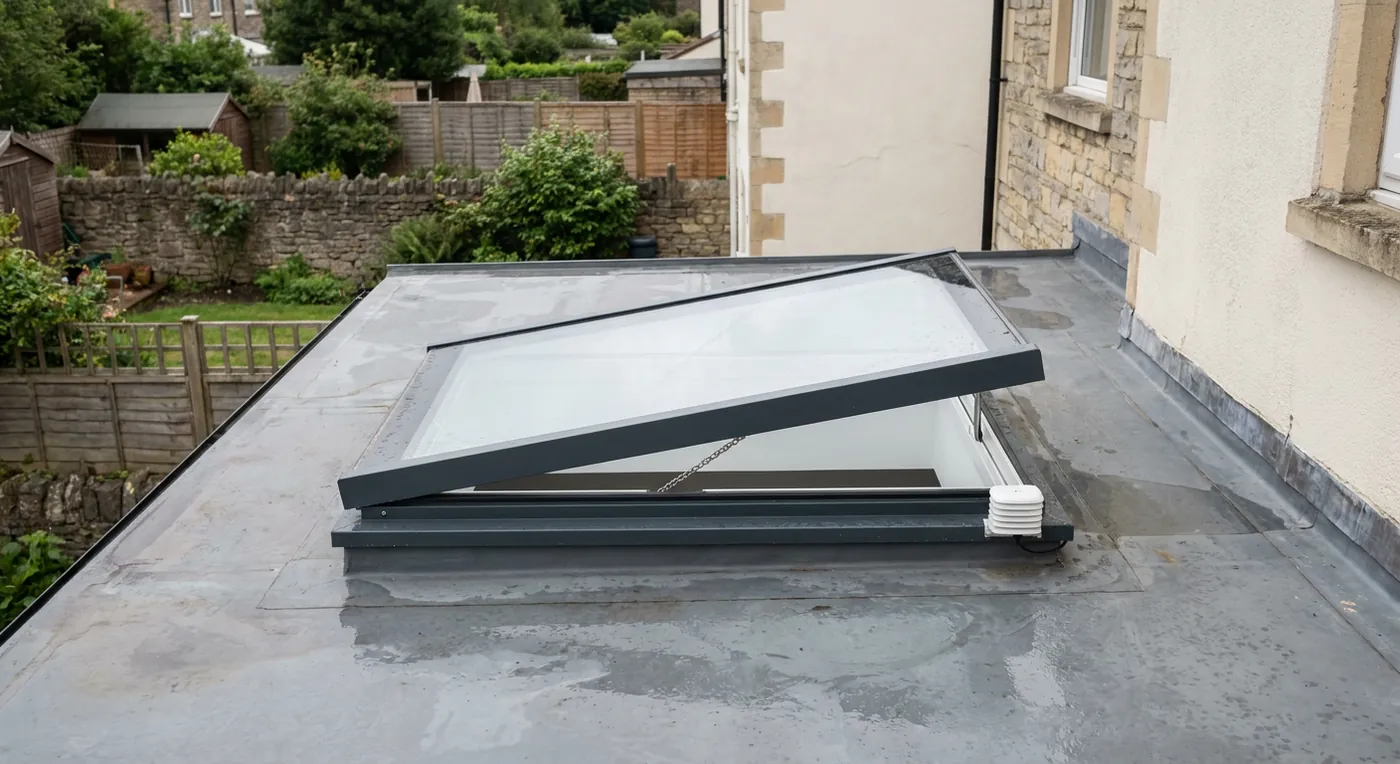
A roof window turns the rear slope of a cottage into a source of fresh air. Because the sash pivots or tilts, it opens to a gap at the base for steady ventilation, and it can swing wider for cleaning and for a proper airing. The glass can carry a coating that cuts glare, which helps on a south-facing slope. Where a cottage backs onto the hillside, the slope faces a garden or a bank rather than a neighbour, so the new opening sees nothing but sky.
Council, conservation and the Mendip landscape
Cheddar lies in the area of Somerset Council, and the village sits on the edge of the Mendip Hills protected landscape. Part of the older village is also designated for conservation, and a number of its best-known buildings are listed. A rooflight is still possible; the setting only shapes which slope the unit goes on and what it looks like from the lane. If the house is listed, even a small change to the roof needs listed building consent, which Somerset Council grants or refuses. In a conservation area, speak to the council before you order anything. Our planning guide shows what to look for.
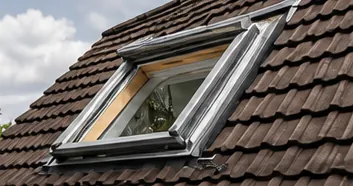
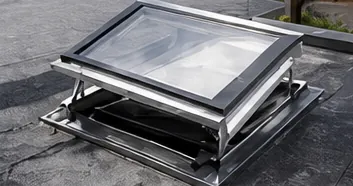
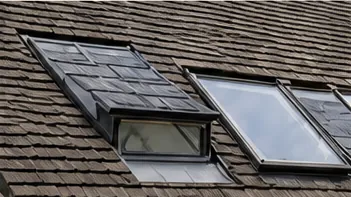
For many of the older roofs a conservation rooflight is the obvious choice: a slender metal frame carrying one glazing bar, set low so that it reads as part of the slope. It can open on a spring-loaded or wound sash and still look like the iron rooflights that lit stables and workshops a century ago. On a front slope, we keep it small. On the back, a bigger roof window does the airing.
Roofs on a hillside have one more quirk: the ground rises behind the house, so the back slope may be close to a bank or a wall. We make sure the sash has room to swing and that you can reach the handle. A window you cannot open is just a skylight.
Older stone buildings also tend to be cold in winter, and the roof is a place where heat escapes. A well-made new unit with modern glazing reduces that loss compared with an old single-glazed one. For existing homes, Part L puts a roof window under the window limit (Band B for Window Energy Rating, or 1.4 W/m²K) and a rooflight under 2.2 W/m²K. The written quote says which category each unit falls into.
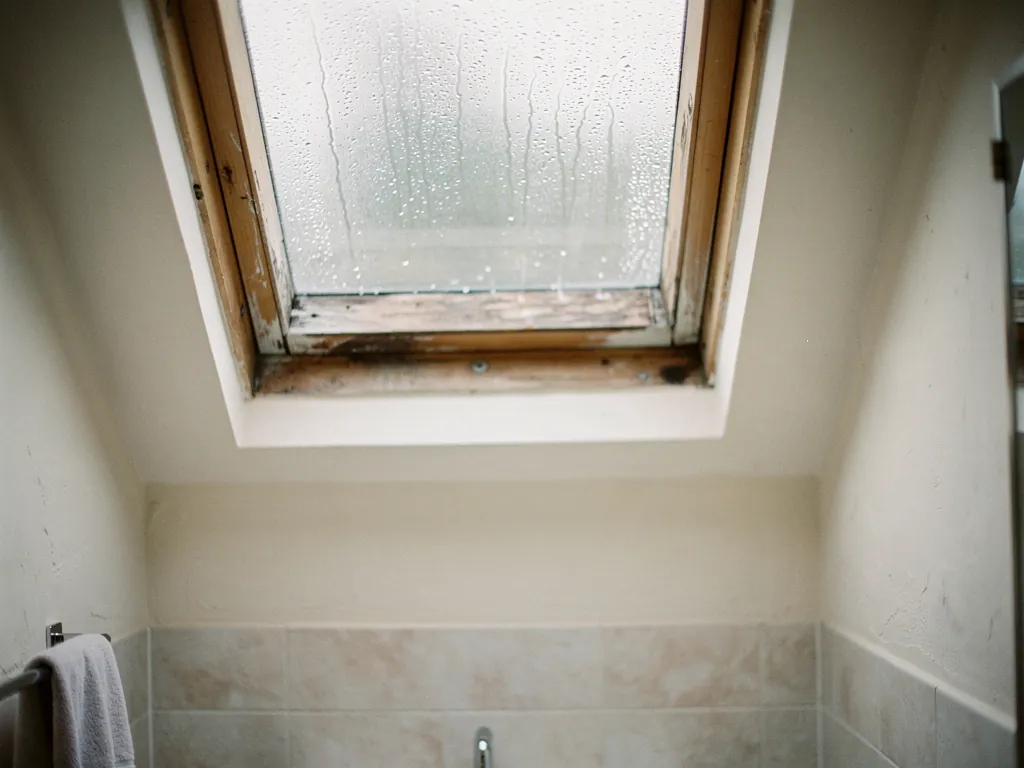
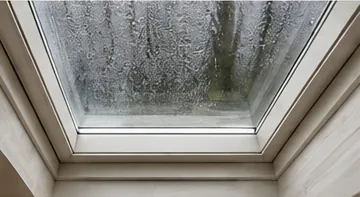
When an old rooflight has failed, glass misted between its layers or a sash that has stopped closing tight, the answer is a replacement. Where just the sealed glass has gone behind a good frame, a new glass panel on its own can be enough, and that route generally falls outside Building Control. A tired frame means the whole unit comes out, and then the notification is ours to arrange. Our misted and failed rooflights hub shows how to tell which you have.